Antenatal Rehabilitation
Pregnancy brings powerful changes to your body, from a shifting centre of gravity to hormonal loosening of ligaments. Back pain, pelvic discomfort, swelling and fatigue are common, but staying active can ease many of these problems and prepare you for birth.
Physiovista Antenatal Rehabilitation offers safe, trimester-specific exercise led by physiotherapists trained in women's health. Our programme supports posture, strength, breathing and pelvic floor control, while giving you the reassurance of expert supervision.
Who This Programme Is For
Our antenatal rehabilitation programme is designed for:
What We Offer
Comprehensive pregnancy fitness, rehabilitation and labour preparation:
How It Works
Every expectant mother at Physiovista follows a structured, step-by-step pathway.
Medical clearance
Assessment
Guided exercise
Birth preparation
What a Typical Session Looks Like & Key Benefits
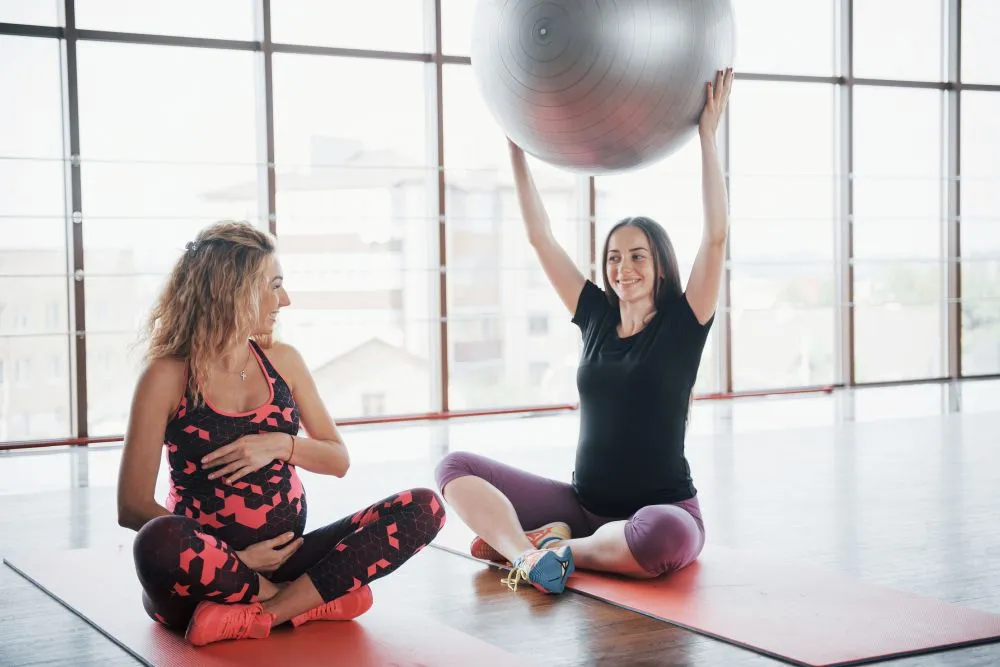
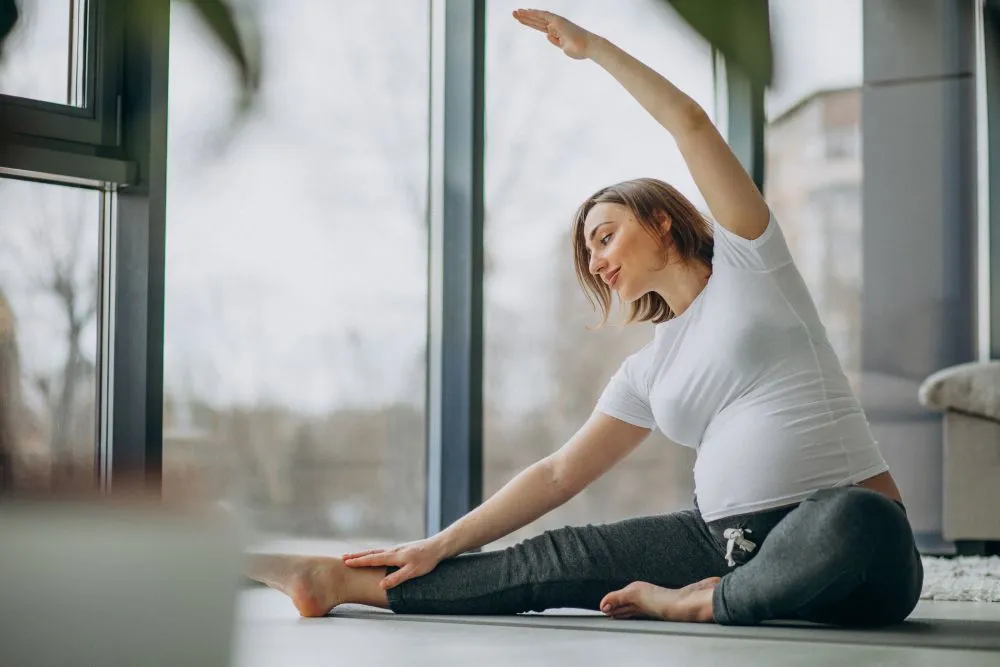
A session begins with a conversation about how you feel, followed by blood pressure and pulse checks. After a gentle warm-up, you practise low-impact exercises including walking, strengthening for the legs, hips and upper back, pelvic floor work and stretches. We avoid lying flat on your back in later pregnancy. Sessions end with breathing and relaxation, usually lasting forty-five minutes.
Key Benefits:
Why Choose Physiovista
Pregnancy exercise should never be generic. Our therapists understand the body changes of each trimester, and they know which movements to avoid. We work with your obstetrician and encourage you to report any concerns right away.
Safety Comes First:
Exercise is not suitable for every pregnancy. Conditions such as bleeding, placenta praevia, severe hypertension or risk of preterm labour may require rest. Stop exercising and seek care if you experience vaginal bleeding, fluid leakage, severe headache, chest pain, regular painful contractions, or reduced baby movements.
Practical Tips & Lifestyle Support
Healthy pregnancy habits include balanced nutrition, hydration, adequate rest and regular check-ups. We offer guidance on healthy weight gain, managing nausea and heartburn, and sleeping comfortably. Emotional wellbeing matters too, and we encourage you to talk about worries with your care team, family and friends.
Practical Tips for Best Results:
Frequently Asked Questions
For most healthy pregnancies, yes. Regular moderate activity is widely recommended, once your doctor confirms there are no medical reasons to avoid it.
Many women can start in the first trimester, or later with your doctor's approval. Earlier is easier, but it is never too late to begin.
Contact sports, heavy lifting, exercises with a risk of falling, and long periods lying flat on your back should be avoided.
Yes. Posture correction, strengthening and stretching often reduce pregnancy-related back and pelvic pain.
Fitness, breathing control and pelvic floor awareness can help you feel more prepared, though every labour is different.
Often yes, and it can help control blood sugar. Your doctor's approval and monitoring are important.
Please discuss this with your obstetrician. We will follow their advice on timing and intensity.
Most women attend two to three times weekly, depending on comfort and medical advice.
Not necessary, but partners are welcome at selected sessions to learn supportive positions for labour.