Geriatric Fitness
Ageing naturally brings loss of muscle, slower reflexes and stiffer joints, but much of the decline in independence comes from inactivity rather than age alone. The right exercise can rebuild strength, improve balance and reduce the risk of falls and hospital stays.
Physiovista Geriatric Fitness offers gentle, supervised programmes for older adults, including those with arthritis, osteoporosis, diabetes, heart disease or previous fractures. Our therapists create safe routines that help you walk confidently, climb stairs and enjoy daily life.
Who This Programme Is For
Our geriatric fitness and active ageing programme is designed for:
What We Offer
Comprehensive geriatric fitness, balance and mobility support:
How It Works
Every older adult in our geriatric fitness programme follows a structured, step-by-step pathway.
Assessment
Personal plan
Supervised practice
Progress checks
What a Typical Session Looks Like & Key Benefits
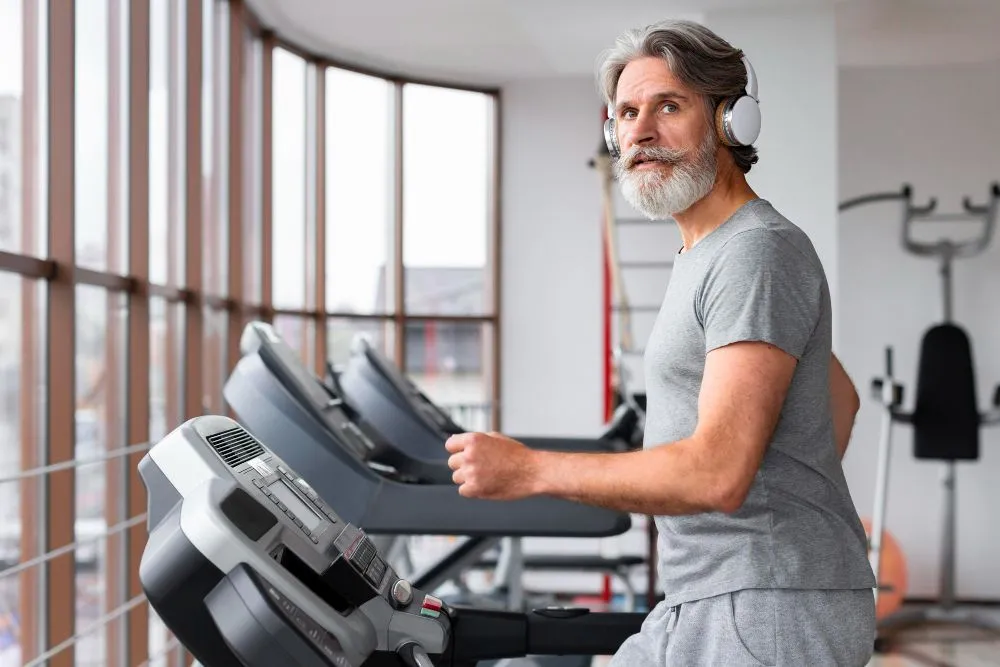
Sessions begin with a gentle warm-up, often performed seated or while holding support. You then work through strengthening exercises such as sit-to-stand practice, leg lifts and light resistance band work, followed by balance exercises and walking drills. Rest periods are built in whenever needed. We finish with stretching and a friendly chat about how you feel. Sessions typically last forty-five minutes.
Key Benefits:
Why Choose Physiovista
Older adults deserve exercise that respects their experience, pace and medical history. Our team is patient, attentive and trained in managing multiple health conditions. Family members are welcome to join the assessment and learn how to support progress at home.
Safety Comes First:
Safety measures include supportive equipment, non-slip flooring, close supervision and regular vital-sign checks. We adapt exercises if you feel dizzy, breathless or in pain. Please bring your glasses, hearing aids, walking aids, medicines and recent medical reports to the first session.
Practical Tips & Lifestyle Support
Exercise works best alongside good habits. Eating enough protein, staying hydrated, sleeping well and keeping socially active all protect muscle and mind. We offer simple guidance on nutrition, vision and hearing checks, safe footwear and home modifications. Many members also enjoy the friendships they form in our group sessions, which makes it easier to stay consistent.
Practical Tips for Best Results:
Frequently Asked Questions
No. Strength and balance can improve even in your eighties and nineties. We simply begin at a level that suits you.
Yes. Gentle movement often reduces stiffness and pain. We choose low-impact exercises and avoid movements that aggravate your joints.
Balance and strength training are among the most effective ways to lower the risk of falls, though they cannot remove it completely.
Absolutely. We include walking aids in training and work on improving your steadiness.
Yes, with a plan that avoids risky spinal movements. Weight-bearing and strengthening exercise supports bone health.
Guidelines suggest activity on most days, with strength and balance exercises at least two days a week. We tailor this to your health.
Yes. Family members are welcome to observe and learn how to help you practise safely at home.
Please contact our team to ask about home visit availability.
Mild tiredness is normal at first. If it lasts, we will reduce the intensity and review your rest and nutrition.