
Uro Rehabilitation
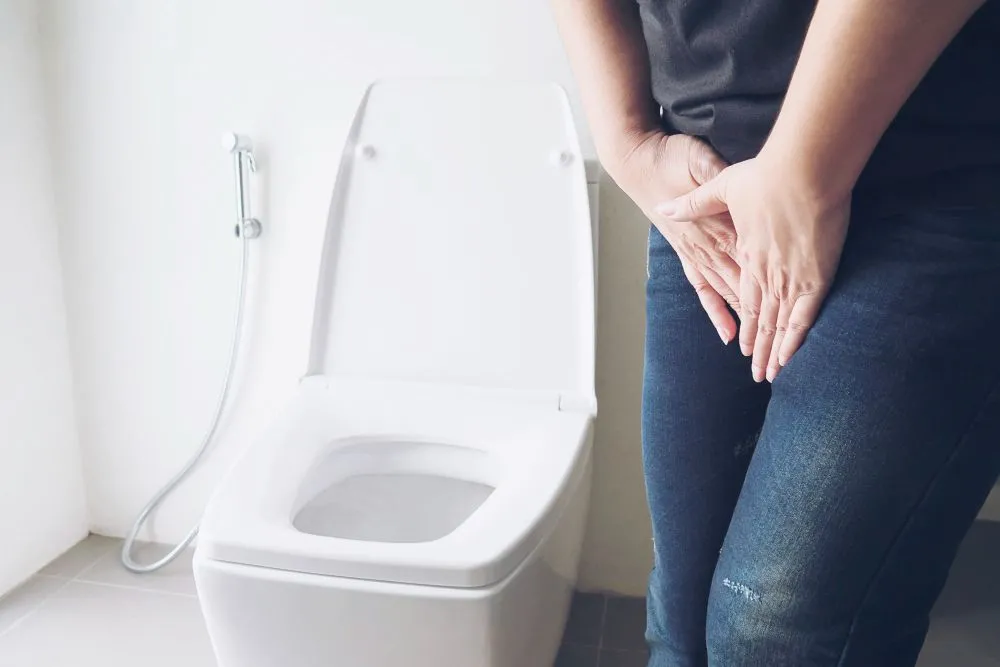
Bladder leakage, urgency, frequent night-time toilet trips and pelvic pain are far more common than people admit. Many men and women suffer silently for years, feeling embarrassed to seek help or believing that it is an unavoidable part of ageing, childbirth or surgery. It is not. Most pelvic floor and bladder problems respond very well to specialised rehabilitation.
Uro Rehabilitation at Physiovista Healthcare Network provides private, respectful pelvic floor physiotherapy for men and women. Our trained therapists help you regain bladder control, reduce pelvic pain and restore confidence in everyday life.
About Our Uro Rehabilitation Service
The pelvic floor is a hammock of muscles that supports the bladder, bowel and, in women, the uterus. It helps you hold urine, empties the bladder properly, supports sexual function and works with the deep core and breathing muscles. When these muscles are weak, tight or poorly coordinated, problems appear: leaks when coughing, a strong sudden urge, incomplete emptying, pelvic heaviness or pain.
At our uro rehabilitation service, every assessment is held in a private, comfortable setting. We begin with a detailed conversation and bladder diary, and a physical assessment suited to your needs and consent. We never proceed without your explicit comfort and permission. Treatment may include pelvic floor muscle training, bladder retraining, biofeedback, breathing and core exercises, lifestyle advice and, for men after prostate surgery, specific programmes to regain continence.
Our service may help if you:
Conditions We Treat in Uro Rehabilitation
We manage a wide range of pelvic floor and bladder conditions, including:
Our Rehab Process
Every uro rehabilitation patient at Physiovista follows a structured, step-by-step pathway.
Confidential Consultation
Sensitive Assessment
Diagnosis and Personal Plan
Pelvic Floor Training
Bladder Retraining and Lifestyle Advice
Core, Breathing and Functional Training
Progress Review and Long-Term Habits
Technologies We Use
Alongside skilled hands-on care, we use specialised therapies and equipment for pelvic health and bladder retraining.
Why Choose Physiovista for Uro Rehabilitation?
What to Expect at Your First Uro Rehabilitation Visit
Your first appointment lasts around an hour in a private room. We start with a conversation and review your bladder diary if you have one. You decide what examination you are comfortable with, and you can stop or ask questions at any time. Please bring a list of medicines and any urology or gynaecology reports.
Helpful habits: drink normal amounts of water rather than restricting fluids, limit caffeine and fizzy drinks if you have urgency, avoid going to the toilet just in case, treat constipation promptly, avoid straining and practise your pelvic floor exercises daily as instructed.
Frequently Asked Questions
It is common, but it is not something you simply have to accept. Most people improve with correct pelvic floor training.
Yes, when done correctly and consistently. Many people squeeze the wrong muscles or hold their breath. Guidance from a trained therapist improves results.
Yes. Men may leak urine after prostate surgery or have urgency or pelvic pain. Pelvic floor rehabilitation helps.
We keep it private and respectful, explain every step and proceed only with your consent. You are always in control.
Many people notice changes within four to six weeks of regular exercise, though full results can take a few months.
Many people improve without either. If your symptoms need medical or surgical treatment, we will coordinate with your doctor.
If you notice blood in the urine, severe pain, fever, sudden inability to pass urine or new symptoms with weakness or numbness, seek medical care promptly.