Vein Clinic
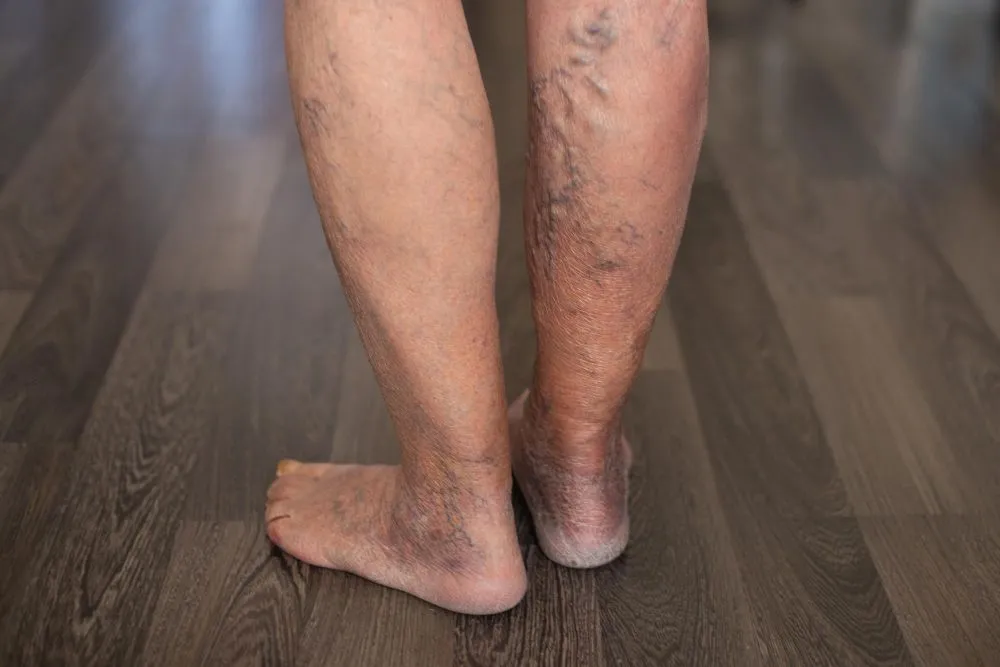
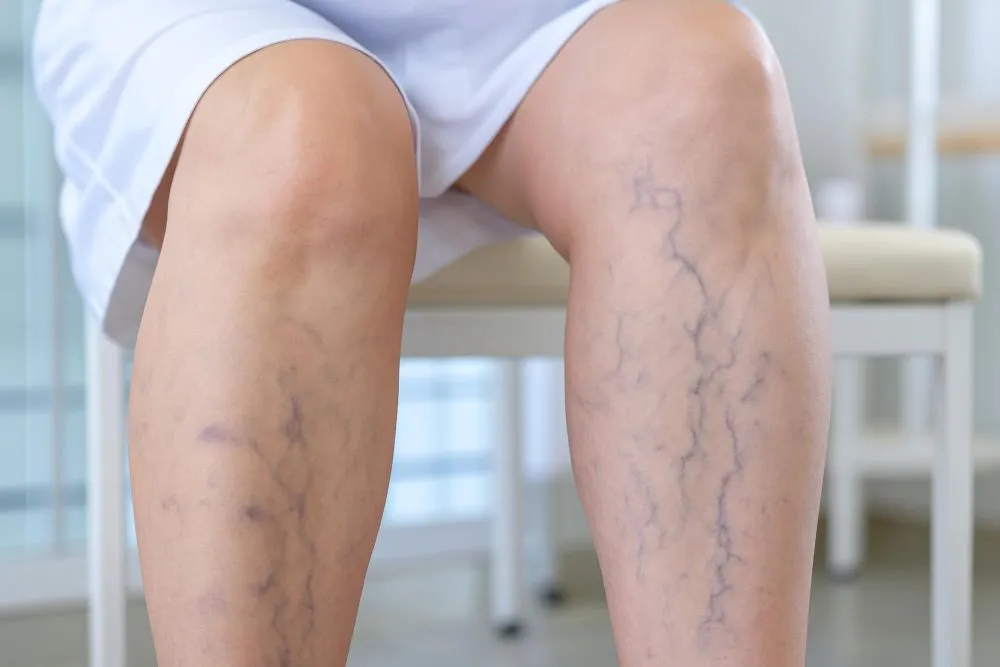
Heavy, aching legs at the end of the day, swollen ankles, visible twisted veins or skin changes around the lower leg are signs that the veins may not be working as well as they should. These problems are common in people who stand or sit for long hours, in pregnancy, with weight gain and with family history. Without care, they tend to progress.
The Vein Clinic at Physiovista Healthcare Network supports people with venous and circulatory problems of the legs through careful assessment, compression therapy, exercise, education and rehabilitation. We work alongside vascular surgeons and physicians, so you receive the right care at the right stage.
About Our Vein Clinic
Leg veins carry blood back to the heart against gravity, helped by one-way valves and the squeezing action of calf muscles. When valves weaken or veins widen, blood pools in the legs. This causes swelling, aching, varicose veins, skin discolouration and sometimes ulcers.
At our vein clinic, our role is to assess your leg symptoms, identify warning signs that need medical or surgical attention, and provide conservative care that reduces symptoms and protects your skin and circulation. This includes graded compression, calf muscle pump exercises, swelling management, skin and wound care education, lifestyle advice and rehabilitation after vein procedures. Where a vascular specialist's opinion or an ultrasound scan is needed, we help you reach the right place quickly.
Visit our Vein Clinic if you have:
Conditions We Support at the Vein Clinic
We manage and support a wide range of venous and circulatory conditions, including:
Our Care Process
Every vein care patient at Physiovista follows a structured, step-by-step pathway.
Venous History and Examination
Risk Screening
Individual Plan
Compression and Swelling Management
Calf Pump and Circulation Exercises
Skin and Wound Care Education
Follow-Up and Prevention
Technologies We Use
Alongside clinical expertise, we use advanced compression systems and circulation technologies to manage venous symptoms.
Why Choose Physiovista for Vein Care?
What to Expect at Your First Vein Visit
Your first appointment takes about 45 minutes. We discuss your symptoms and history, examine your legs, check pulses and skin, and measure swelling. If compression is suitable, we fit it and teach you how to use it. Please wear loose clothing that allows easy access to your legs and bring any scan or Doppler reports.
Daily habits that help: walk regularly, flex your ankles when seated for long periods, elevate your legs above heart level for 15 to 20 minutes when resting, avoid standing still for hours, keep your weight healthy and moisturise the skin on your lower legs.
Frequently Asked Questions
For some people, yes, but they can also cause aching, swelling, skin changes and ulcers. Any painful or changing veins deserve assessment.
Exercise cannot remove existing varicose veins, but walking and calf exercises improve circulation and relieve symptoms. Avoid long periods of standing or sitting still.
Yes, when correctly sized and worn consistently. They support the veins, reduce swelling and ease aching. They do not cure varicose veins but control symptoms and slow progression.
If you have severe symptoms, skin breakdown, recurrent ulcers, bleeding veins or symptoms that do not improve with conservative care, a vascular specialist review and a duplex scan are advised.
Yes. A suddenly swollen, painful, warm or red leg, especially on one side, may be a blood clot and needs same-day medical care. Chest pain or breathlessness requires emergency help.
Many people find lighter, breathable options comfortable. We can suggest suitable types.
Yes, with a proper assessment. Exercise is encouraged, and we adjust treatment to protect the veins and skin.