Hypertension Rehabilitation
High blood pressure often has no symptoms, yet it quietly raises the risk of stroke, heart disease, kidney problems and vision loss. Along with medication, lifestyle changes play a major role in bringing numbers down.
Physiovista Hypertension Rehabilitation offers supervised exercise, breathing training, nutrition advice and stress management in one structured programme. We monitor your blood pressure closely and adjust activity so that every session is safe and useful.
Who This Programme Is For
Our hypertension rehabilitation programme is designed for:
What We Offer
Comprehensive blood pressure management and exercise care:
How It Works
Every hypertension rehabilitation participant at Physiovista follows a structured, step-by-step pathway.
Baseline check
Safe intensity setting
Regular sessions
Tracking
What a Typical Session Looks Like & Key Benefits
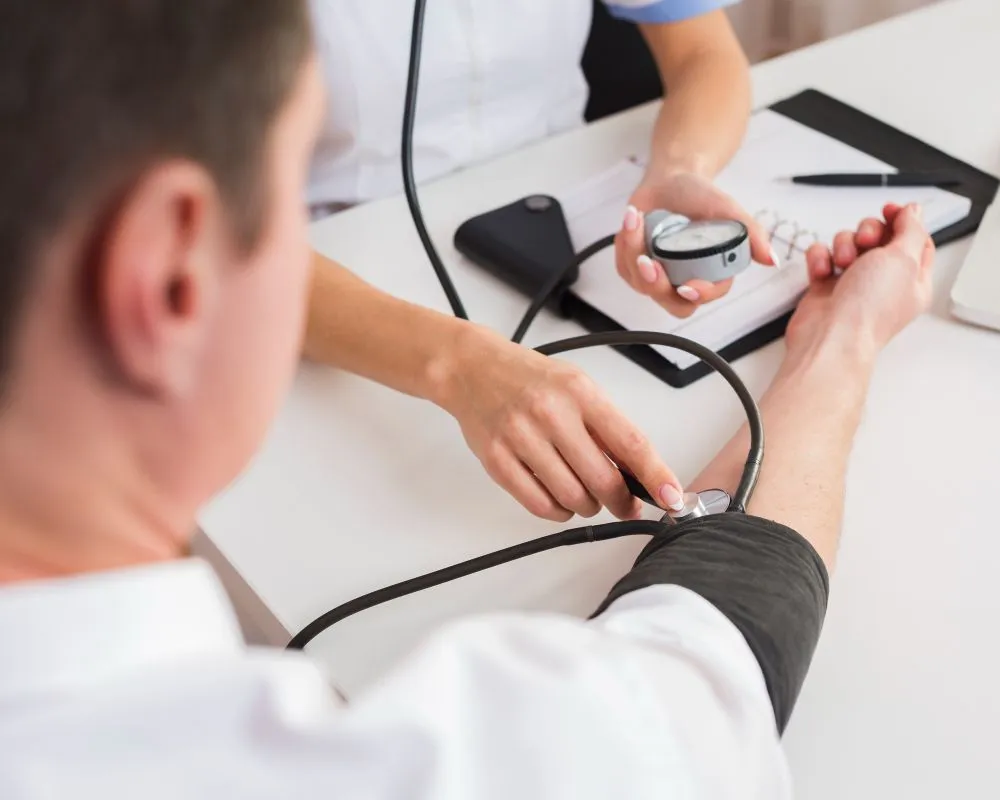
At each visit we check your blood pressure at rest before you start. If it is within a safe range, you warm up and begin moderate aerobic exercise, then move to light strength work and flexibility. We re-check pressure after exercise, then lead you through a calming breathing and relaxation routine. You also receive guidance on home monitoring so that you can record readings on non-training days and share them with your doctor.
Key Benefits:
Why Choose Physiovista
Many people are told simply to exercise more without any safety guidance. We tell you how much, how hard and what to avoid. Our therapists teach correct breathing during effort, because holding your breath can cause sharp rises in pressure.
Safety Comes First:
We avoid heavy straining, breath-holding and sudden intense bursts, which can push pressure up quickly. If your resting reading is too high or you have symptoms such as severe headache, chest pain, blurred vision or dizziness, exercise is paused and you are advised to seek medical care. Please continue your prescribed medicines every day.
Practical Tips & Lifestyle Support
Lifestyle change is central to blood pressure control. Reducing salt, increasing fruits and vegetables, staying active and limiting alcohol all help. Stress and poor sleep also raise pressure, so we teach relaxation, time management and sleep habits. Small, consistent steps are easier to maintain than dramatic changes.
Practical Tips for Best Results:
Frequently Asked Questions
Yes. Regular aerobic activity can lower blood pressure by several points in many people, and the effect builds over weeks of consistency.
Not if your pressure is severely elevated. We check readings first and may delay exercise and refer you to your doctor if numbers are unsafe.
Not necessarily. Light to moderate resistance training with proper breathing is generally safe. We avoid heavy lifting and straining.
Possibly. Medication decisions belong to your doctor. Exercise supports treatment and may allow better control.
Slow, controlled breathing calms the nervous system and can reduce stress-related rises in blood pressure.
Some people see improvement within four to eight weeks of regular activity, though individual results differ.
Your doctor will advise a schedule. Many people check at the same time each day using a validated upper-arm monitor.
Yes. High salt intake raises blood pressure in many people. We help you find practical ways to reduce it without losing flavour.
Stress can raise blood pressure temporarily, and long-term stress may contribute to unhealthy habits. Relaxation training is part of our programme.