

Diabetes Rehabilitation
Regular, well-planned exercise is one of the most effective tools for managing diabetes. It helps muscles use glucose, improves insulin sensitivity and lowers the risk of complications. However, exercise also needs care, especially if you take insulin or certain tablets.
Physiovista Diabetes Rehabilitation provides supervised programmes for people with Type 1 diabetes, Type 2 diabetes and pre-diabetes. We monitor your blood sugar, teach you how to exercise safely and protect your feet, eyes, heart and nerves along the way.
Who This Programme Is For
Our diabetes rehabilitation programme is designed for:
What We Offer
Comprehensive diabetes exercise and rehabilitation care:
How It Works
Every diabetes rehabilitation participant at Physiovista follows a structured, step-by-step pathway.
Screening
Safe-start plan
Monitored sessions
Self-management
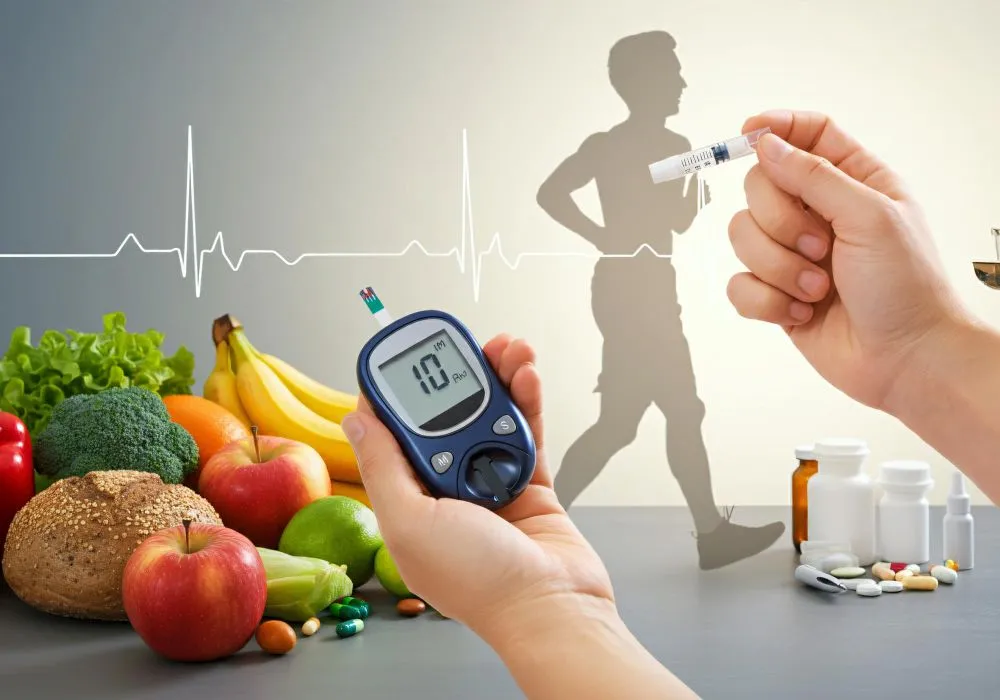
What a Typical Session Looks Like & Key Benefits
A session begins with a blood sugar and blood pressure check. If your reading is within the agreed range, you warm up and move into aerobic exercise, followed by resistance work for the legs, hips, back and arms. Balance practice and foot-safe movements are included where needed. We check how you feel afterwards, and if necessary re-check your sugar before you leave. You will also receive tips for managing meals and activity on non-training days.
Key Benefits:
Why Choose Physiovista
Our team understands how exercise interacts with diabetes medicines, and we work closely with your treating doctor. You are never left to guess what is safe. Each session is supervised, and every plan is adjusted as your readings improve.
Safety Comes First:
People with diabetes can face low blood sugar, high readings, foot injuries and blood pressure changes during exercise. We prepare for each of these. Fast-acting sugar is always available, we inspect your feet when appropriate and we avoid exercise when your readings or symptoms suggest it is unsafe. Please bring your glucometer and medicines to every session.
Practical Tips & Lifestyle Support
Daily habits strongly influence diabetes control. We help you plan balanced meals with sensible portions of carbohydrates, adequate protein and plenty of fibre. We also discuss stress, sleep and travel, which can all shift blood sugar. Over time, many members feel more confident adjusting their routine and communicating with their doctor.
Practical Tips for Best Results:
Frequently Asked Questions
For most people, yes, and it is strongly encouraged. We screen you first and set safety limits, especially if you use insulin or have complications.
During activity, muscles take up glucose for energy. Regular training also makes your body more responsive to insulin for hours afterwards.
Never change or stop medicines without your doctor's advice. Our programme supports your treatment and does not replace it.
Our staff are trained to recognise and treat low blood sugar quickly. We also teach you the warning signs and what to carry with you.
Yes. We select exercises that protect your feet, such as seated or supported options, and advise on suitable footwear.
General guidance suggests regular activity on most days of the week, combining aerobic and strength work. We will set a schedule suited to you.
This depends on your medicines and sugar levels. We will advise you on timing and snacks based on your treatment plan.
Yes. Exercise needs careful planning with insulin and food, and our team will coordinate with your doctor to keep you safe.
Regular activity and healthy weight loss can significantly reduce the risk of progression to Type 2 diabetes.