Neuro Fitness
Neurological conditions can affect strength, balance, coordination, walking, speech and everyday independence. Recovery and symptom control depend on repeated, task-focused practice, which is exactly what neuro rehabilitation delivers.
Physiovista Neuro Fitness offers therapist-led programmes for people with stroke, Parkinson's disease, multiple sclerosis, spinal cord injury, peripheral neuropathy and other neurological conditions. We combine neuroplasticity-based exercise with fitness training so that you regain movement and build lasting health.
Who This Programme Is For
Our neurological rehabilitation and neuro fitness programme is designed for:
What We Offer
Comprehensive neurological assessment, rehabilitation and fitness support:
How It Works
Every patient in our neuro fitness programme follows a structured, step-by-step pathway.
Evaluation
Goal setting
Intensive practice
Home programme
What a Typical Session Looks Like & Key Benefits
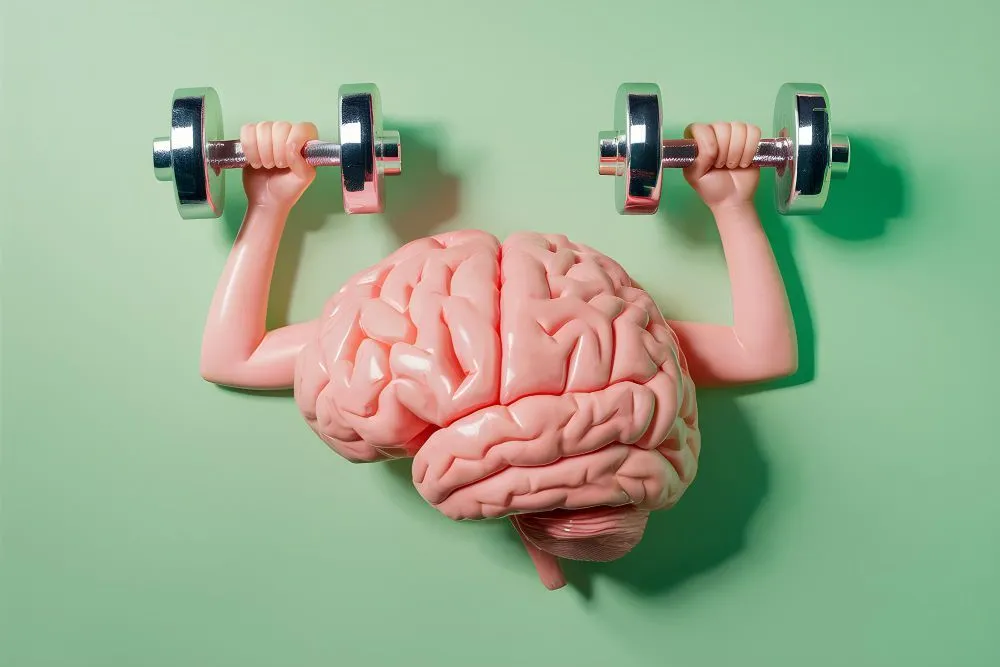
Sessions are one-to-one or in small groups. After a warm-up, you practise functional tasks such as standing up, stepping, reaching or walking, often with harness, parallel bars or other supports where needed. We include strength, balance and endurance work, and finish with stretching and review of goals. Rest breaks are frequent, and the pace is guided by your fatigue levels.
Key Benefits:
Why Choose Physiovista
Neurological recovery is a journey that needs patience, repetition and encouragement. Our therapists celebrate small gains and keep goals realistic and meaningful. We communicate openly with your neurologist and family so that everyone supports the same plan.
Safety Comes First:
We use safety belts, supportive equipment and close supervision to prevent falls. We watch for fatigue, spasticity, blood pressure changes and skin pressure areas. Please report new weakness, severe headache, speech changes, sudden vision problems or seizures to your doctor immediately.
Practical Tips & Lifestyle Support
Recovery happens throughout the day, not only in the gym. We help you build routines for sleep, nutrition, hydration, bladder care and mood. Emotional wellbeing matters too, as depression and anxiety are common after neurological illness. We encourage social participation and can guide you towards support groups, speech therapy or occupational therapy where helpful.
Practical Tips for Best Results:
Frequently Asked Questions
Early rehabilitation, as soon as your doctor considers it safe, usually gives the best outcomes. Recovery can continue for months and years.
Yes. Regular, challenging exercise can improve walking, balance and flexibility and may help slow functional decline.
Recovery varies according to the type and severity of the condition. We aim to maximise your function and independence.
Yes. We design programmes for wheelchair users, including strength, posture, transfers and cardiovascular training.
We support rehabilitation and fitness for people with spinal cord injury, tailored to the level and completeness of the injury.
Programmes vary from weeks to many months. We review progress regularly and set realistic timelines.
Fatigue is common. We balance effort and rest, and monitor your response carefully.
Yes. We teach caregivers safe handling and home exercise methods.
Yes. You receive clear, practical home exercises and guidance on how often to perform them.