Postnatal Rehabilitation
Childbirth is a major physical event, whether it was vaginal or by caesarean. Many new mothers experience back pain, weak abdominal muscles, pelvic floor problems, poor sleep and fatigue, yet are told to simply wait. Targeted rehabilitation can speed recovery and prevent long-term problems.
Physiovista Postnatal Rehabilitation provides a gradual, supervised path back to strength. Our physiotherapists assess your pelvic floor, abdominal separation, posture and fitness, then build a plan that fits the demands of caring for a newborn.
Who This Programme Is For
Our postnatal rehabilitation programme is designed for:
What We Offer
Comprehensive postnatal recovery and pelvic health care:
How It Works
Every mother at Physiovista follows a structured, step-by-step pathway.
Postnatal check
Assessment
Progressive rehab
Return to activity
What a Typical Session Looks Like & Key Benefits
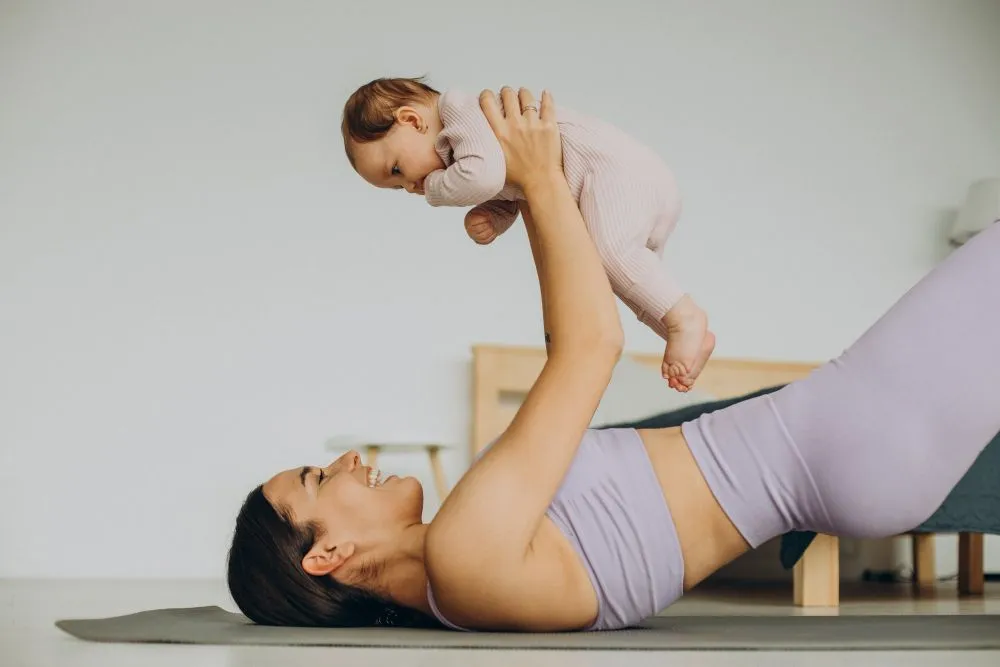
Early sessions are calm and focused, often beginning with breathing, pelvic floor activation and gentle core exercises. As you recover, we add walking, strengthening and low-impact conditioning. We discuss practical matters such as lifting the baby, feeding positions and sleep strategies. Sessions usually last forty-five minutes, and babies are welcome at selected times, subject to centre arrangements.
Key Benefits:
Why Choose Physiovista
Postnatal care often gets overlooked after the baby arrives. Our therapists treat your recovery as seriously as your pregnancy care. We use a compassionate, private and judgement-free approach, so you can talk openly about any concerns.
Safety Comes First:
Please return to your doctor if you have heavy bleeding, fever, wound pain or discharge, a hard swollen breast, calf pain, or low mood that does not lift. We avoid high-impact activity and heavy abdominal exercises until your pelvic floor and core are ready, which protects against injury and prolapse.
Practical Tips & Lifestyle Support
Recovery is influenced by sleep, nutrition and emotional support. We discuss realistic expectations, since your body needs time to heal, and we help you balance self-care with the demands of a newborn. If you feel persistently sad, anxious or overwhelmed, please speak to your doctor, as postnatal mood difficulties are common and treatable.
Practical Tips for Best Results:
Frequently Asked Questions
Gentle breathing and walking can often begin soon after birth. Structured rehab usually starts around six weeks, or later after complications, with your doctor's approval.
It is common, but it is not something you simply have to accept. Pelvic floor rehabilitation often improves it significantly.
It is a separation of the abdominal muscles along the midline during pregnancy. Appropriate exercise can reduce it and restore core function.
Not initially. We introduce core exercises step by step so that your abdominal wall can heal properly.
You can exercise while breastfeeding. We advise on hydration, comfortable support and nutrition to maintain energy.
Gradual weight loss is safest, especially while breastfeeding. We focus on strength, nutrition and sleep rather than fast results.
Yes. We guide you on safe movement, scar care and gradual strengthening once your surgeon clears you.
Please check with our centre about arrangements. Many mothers find it easier to attend when they can bring the baby.
Yes. Pelvic floor and core problems can improve even long after birth.